Bay scallops & ocean acidification
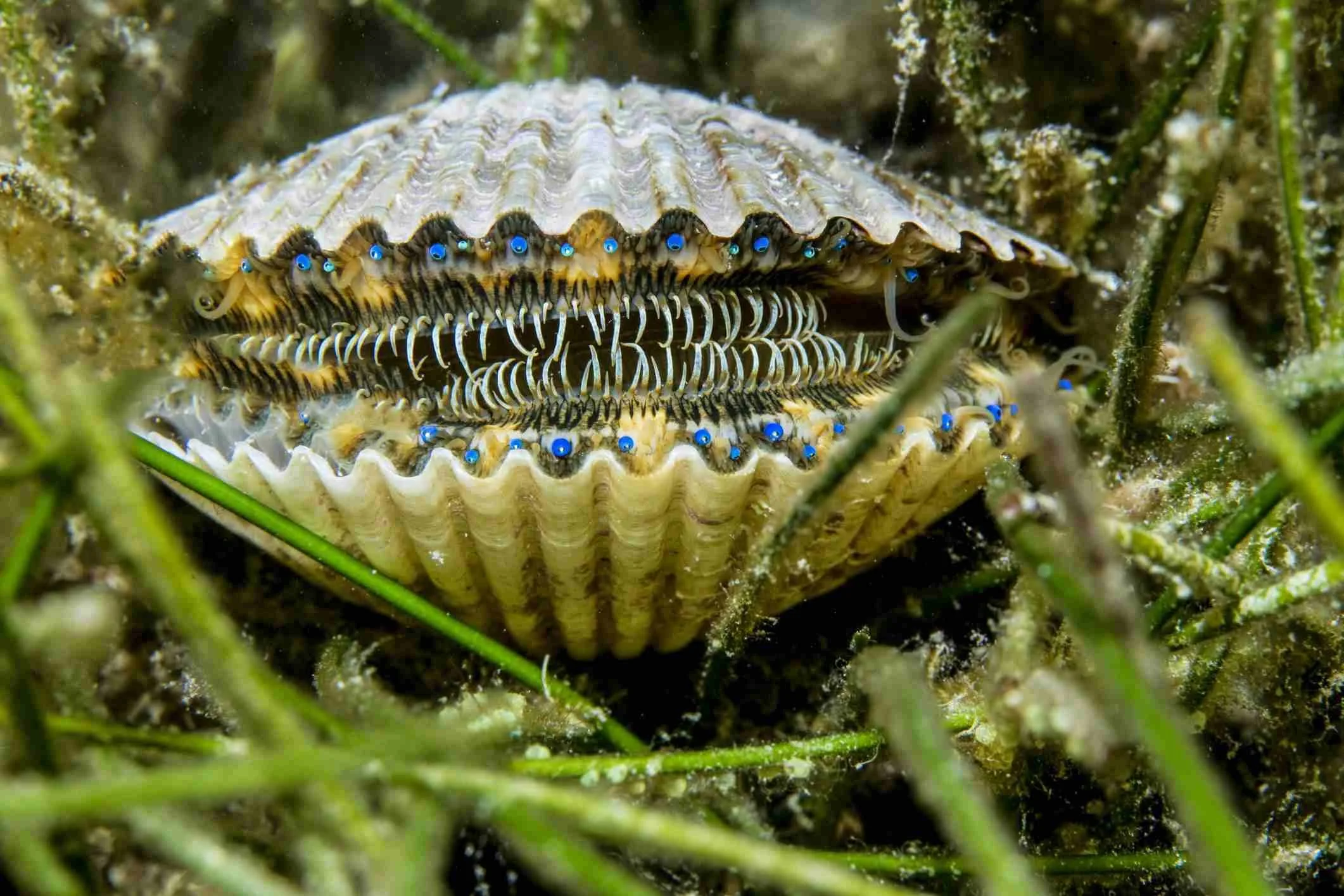
Atlantic bay scallops (Argopecten irradians) are an important part of North Carolina's coastal ecosystems. These small bivalves help filter the water, provide food for countless marine animals, and support local recreational and commercial fisheries that have been a part of our coastal communities for generations.
Bay scallops are also considered bioindicators, meaning their health reflects the overall health of the environment around them. When scallop populations begin to decline, it can be an early warning sign that something is changing in our coastal waters.
At the Topsail Aquarium, we're studying how Atlantic bay scallops respond to these changing ocean conditions. By better understanding their resilience, we can help scientists, fisheries managers, and conservation organizations predict how North Carolina's coastal ecosystems may change in the future.
This research extends far beyond a single species. Healthy scallop populations contribute to cleaner water, healthier seagrass beds, and stronger fisheries. Learning how they respond to ocean acidification helps us better understand the future of our coastal environment and provides valuable information that can guide conservation efforts for years to come.
As our climate continues to change, research like this is essential for protecting the marine ecosystems and coastal communities that depend on them. At the Topsail Aquarium, we're proud to contribute to that growing body of knowledge while inspiring our visitors to become stewards of North Carolina's incredible coastal waters.
One of the greatest challenges facing marine life today is ocean acidification. As our oceans absorb increasing amounts of carbon dioxide from the atmosphere, seawater becomes more acidic. This change makes it more difficult for shell-building animals like scallops, oysters, clams, and corals to produce and maintain the calcium carbonate shells they rely on for protection. Over time, more acidic water can weaken these shells, making the animals more vulnerable to predators, disease, and environmental stress.